
TRANSLATIONAL
MOTOR IMAGING
LABORATORY
Current Research Studies
For Participation Inquires email us at tmi.lab@boystown.org or call/text (402) 671-6906
Neurobiological Underpinnings of Cognitive-Motor Processes in Health and Disease (NeuroCoMP; IRB: 24-25-XP)
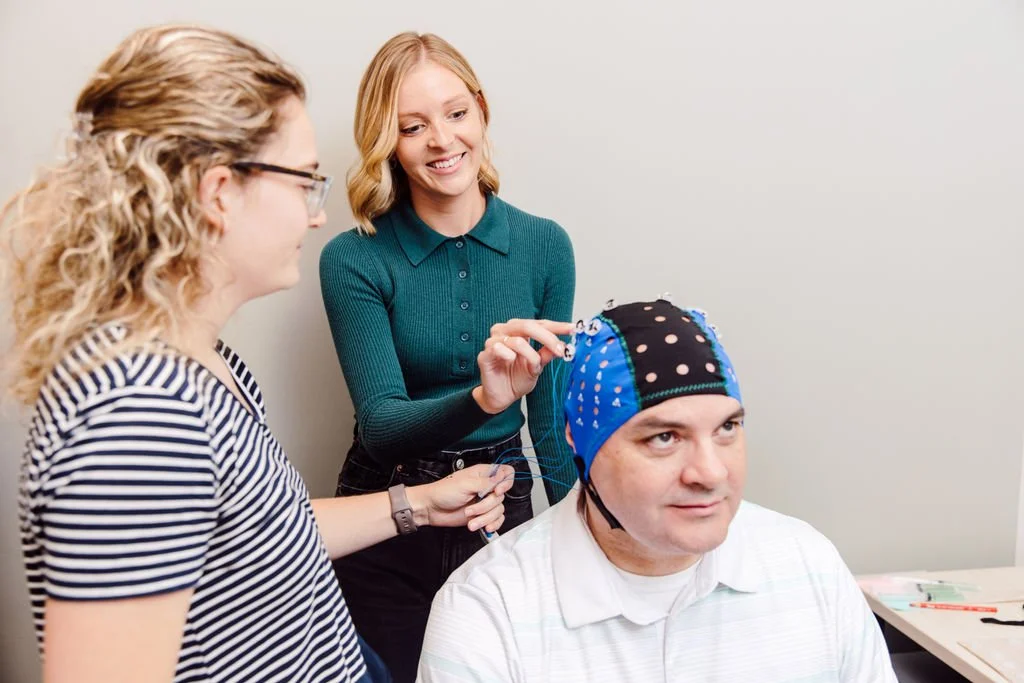
Neuromodulation of Cognitive-Motor Brain-Behavior Dynamics in Health and Disease (NEUROMOD; IRB: 24-26-XP)
-
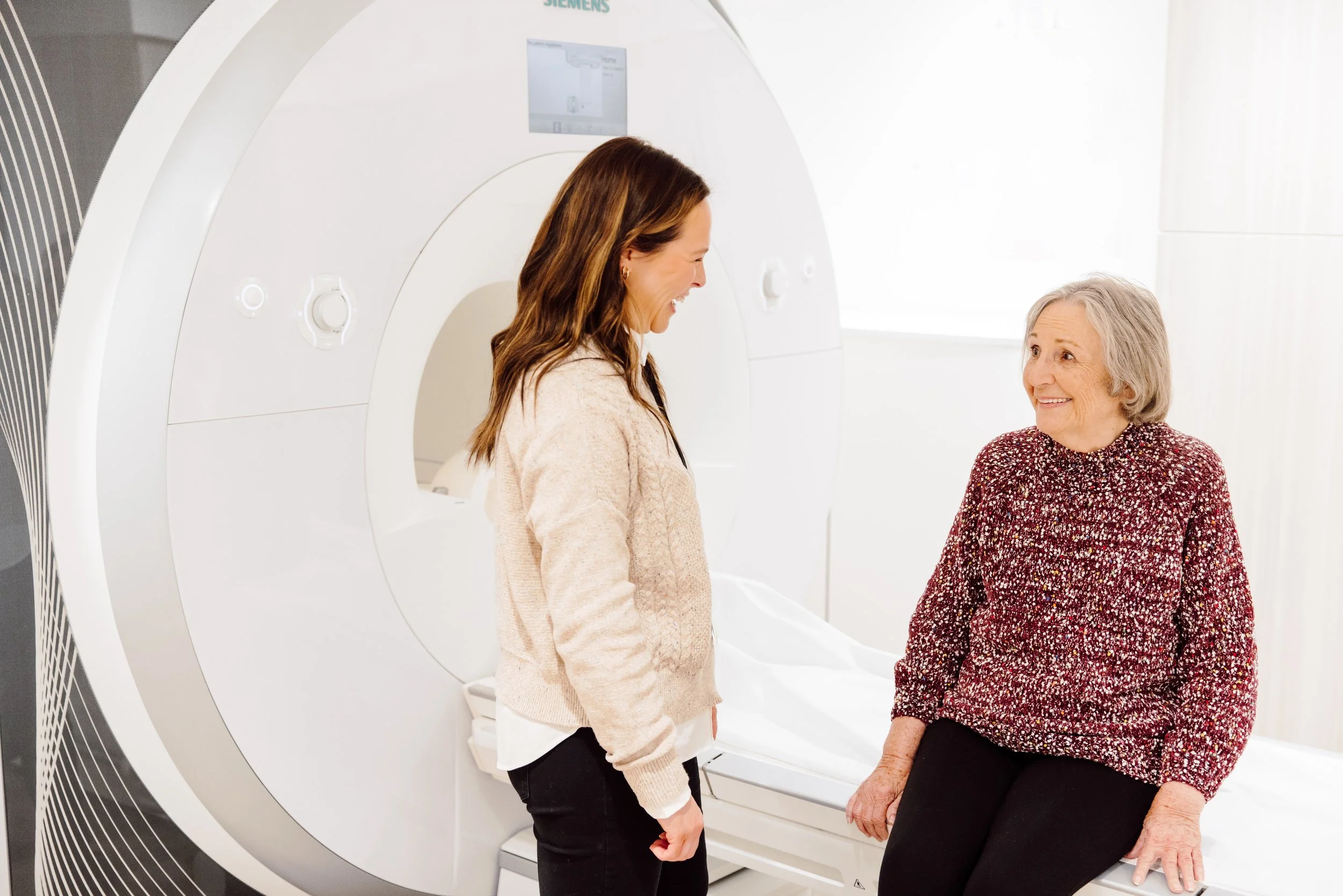
The purpose of this study is to evaluate how an emerging non-invasive brain stimulation technique called transcranial temporal interference stimulation (tTIS) affects brain activity and clinical outcomes in individuals with Parkinson's Disease (PD). In this study, we use the latest advancements in non-invasive neuroimaging including magnetic resonance imaging (MRI) and magnetoencephalography (MEG) to identify where and how patterns of activity in the brain relates to the symptoms experienced by individuals with PD (e.g., bradykinesia or movement slowing, resting tremor). With this information, we then use non-invasive tTIS to stimulate structures deep in the brain to see how they impact clinical outcomes (e.g., severity and frequency of PD motor symptoms) using personalized tuning of stimulation that is guided by the participant's own brain activity profile. We hope such data will inform the utility and efficacy of non-invasive tTIS and other therapies for alleviating motor symptoms in people with PD using a personalized, precision medicine approach.
-
Adults 19 years and older, with a formal Parkinson’s Disease diagnosis.
-
Eligibility: Are age 19 or older, have a formal Parkinson’s Disease diagnosis, do not have a dementia or Alzheimer’s disease diagnosis, and have minimal ferromagnetic artifacts (e.g. dental work).
Compensation: Participants will receive compensation for each hour completed in study visits. Additionally, participants will be eligible for incentives throughout the study, including an incentive for completing all study procedures in a timely manner.
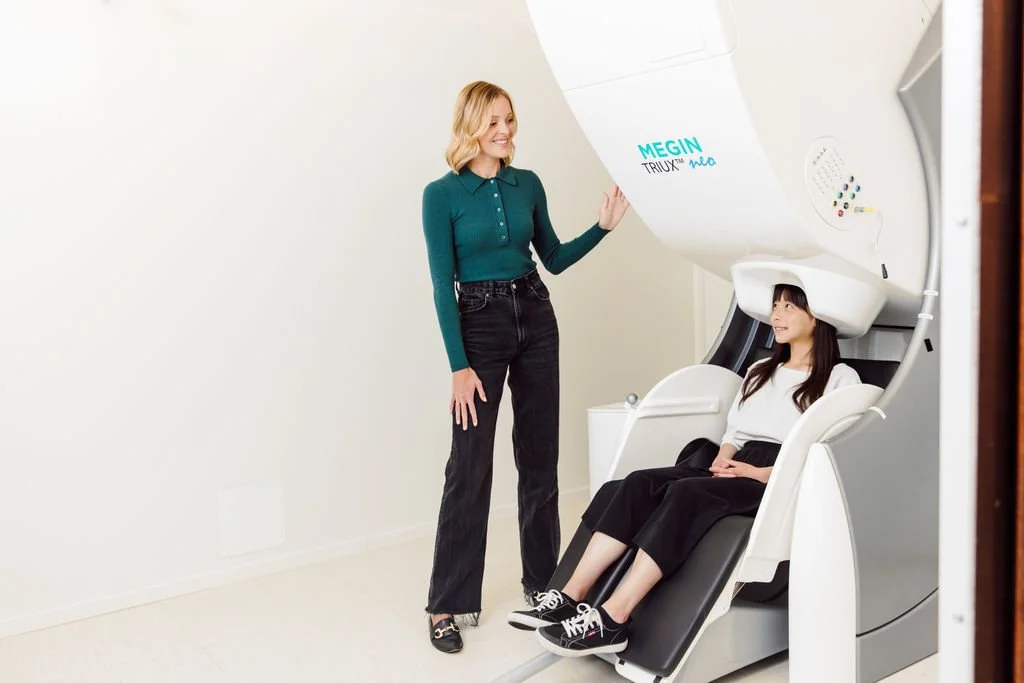
Stress-Induced Aberrations in the Mitochondrial Redox Environment Impacting Developing Neural Circuits Supporting Cognitive Control (StAR; P20-GM14461; IRB: 24-25-XP)
-
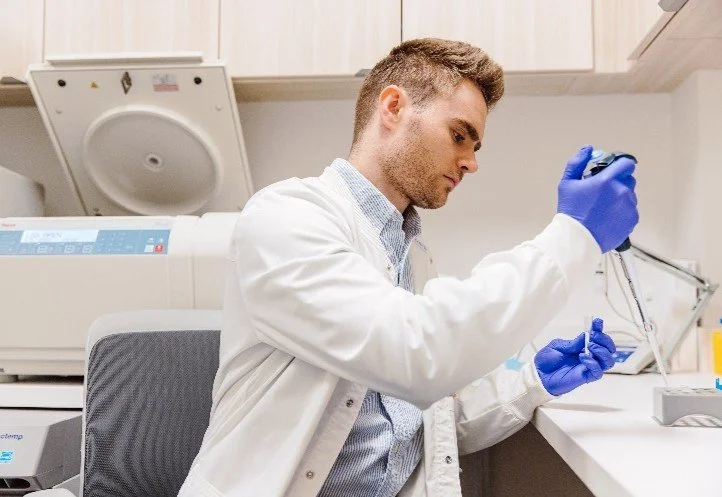
The purpose of this study is to evaluate how changes in brain structure and function impact our mobility and cognitive abilities across the lifespan, and how important markers in our cells (e.g., respiration, inflammation, oxidative stress) impact these outcomes. In this study, we use the latest advancements in non-invasive neuroimaging including magnetic resonance imaging (MRI) and magnetoencephalography (MEG) to identify changes in brain structure and function, respectively. Additionally, using a small blood sample, we can evaluate how various cellular processes related to energy production, inflammation and oxidative stress relate to these changes in the brain and body. We hope to use such data to inform more personalized treatments for individuals experiencing cognitive and motor disturbances in the future.
-
Adults 19 years and older, with a formal Parkinson’s Disease diagnosis.
-
Eligibility: Are age 19 or older, have a formal Parkinson’s Disease diagnosis, do not have a dementia or Alzheimer’s disease diagnosis, and have minimal ferromagnetic artifacts (e.g. dental work).
Compensation: Participants will receive compensation for each hour completed in study visits. Additionally, participants will be eligible for incentives throughout the study, including an incentive for participating in the medication OFF portion of the study and an incentive for completing all study procedures in a timely manner.
-
Cognitive control, or one's ability to regulate emotions, make decisions, and monitor conflicts effectively, is an ability that undergoes extensive refinement during adolescence and early adulthood and may be particularly vulnerable to stress during this key period of development. This study aims to evaluate how certain stressors relate to the development and refinement of cognitive control abilities both at the neural and behavioral level. This study uses the latest advancements in non-invasive neuroimaging techniques such as MRI and MEG to study changes in brain structure and function, respectively, related to cognitive control abilities. In addition, from a small blood sample, we can evaluate how the body and brain interacts at the cellular level to react to common stressors, as well as its relevance to cognitive performance in adolescents and emerging adults. The ultimate goal of this research is to translate our findings to inform developmental trajectories underlying cognitive abilities and to uncover the influence stress has on an individual's pathway towards independence as an adult.
-
Neurotypical adolescents and young adults age 15-25 years old.
-
Eligibility: Are aged 15-25 years old, minimal ferromagnetic artifacts (e.g., dental work/braces) that would interfere with neuroimaging appointments.
Compensation: Participants will receive compensation for each hour completed in study visits. Additionally, participants will be eligible for incentives throughout the study, including an incentive for completing all study procedures in a timely manner.


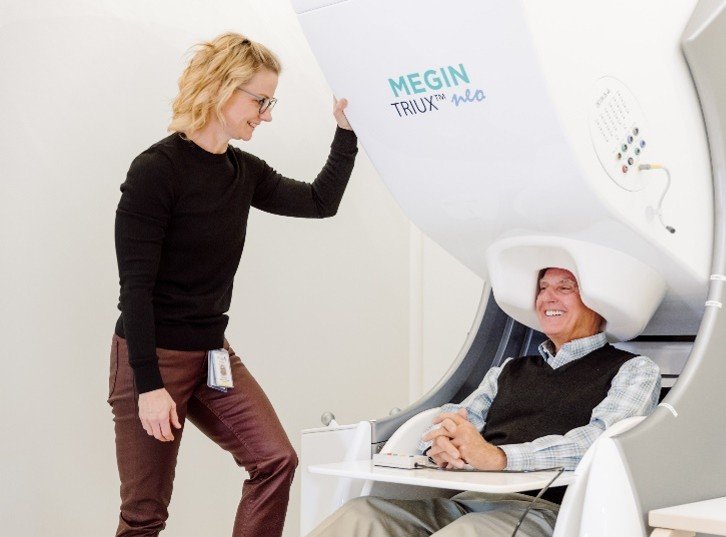
PD GENEration
The Institute for Human Neuroscience is a proud Referral Network for Parkinson’s Foundation’s PD GENEration program. The PD GENEration program offers free genetic testing and counseling for people diagnosis with Parkinson’s Disease (PD).
To learn more, visit the Parkinson’s Foundation website.